
Table of Contents
- Why Lease Return Charges Happen and What They Cost
- Your Lease Return Inspection Checklist UK Guide
- Fair Wear and Tear on a Lease Car: What's Acceptable
- How to Handle Excess Mileage Charges on a Lease Car
- Repairing Cosmetic Damage Before You Hand Back the Keys
- How to Dispute Lease Return Charges You Think Are Unfair
- Frequently Asked Questions
Last Updated: October 18, 2026
Why Lease Return Charges Happen and What They Cost
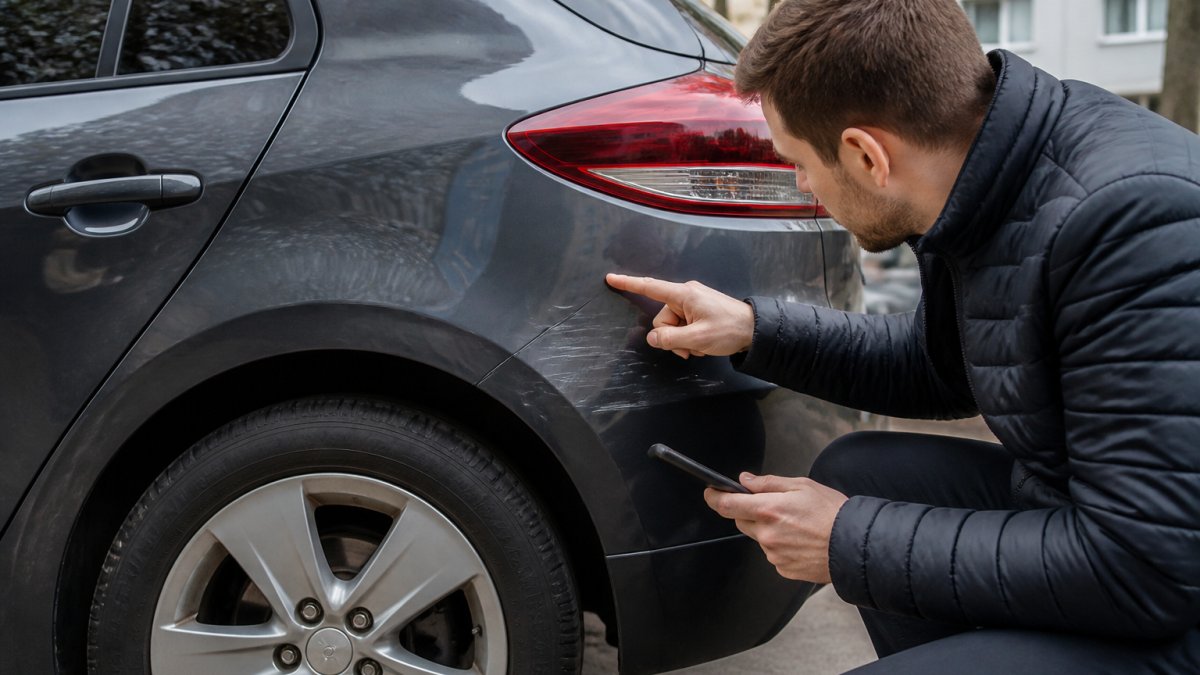
Most drivers discover the sting of lease return charges at the worst possible moment: the day the inspector hands over a bill for damage they barely noticed. Lease return charges happen because the contract you signed sets a condition standard, and any gap between that standard and your car's actual condition becomes a chargeable item. In practice, that means scuffs, kerbed alloys, worn tyres, and excess mileage all convert into invoices.
The BVRLA fair wear and tear guide sets the industry standard for what counts as acceptable, and it is the framework most funders use when assessing end-of-contract condition. Understanding it before the inspection is the single best defence you have.
What most guides miss is that the charge is rarely about the damage itself. It is about the cost of restoring the car to a saleable standard, plus an administrative margin. That gap between the real repair cost and the invoiced charge is where your savings live.
Your Lease Return Inspection Checklist UK Guide
A lease return inspection checklist UK drivers can rely on covers four areas: bodywork, wheels and tyres, interior, and documentation. Work through each one methodically before the inspector arrives, and you remove the element of surprise entirely.
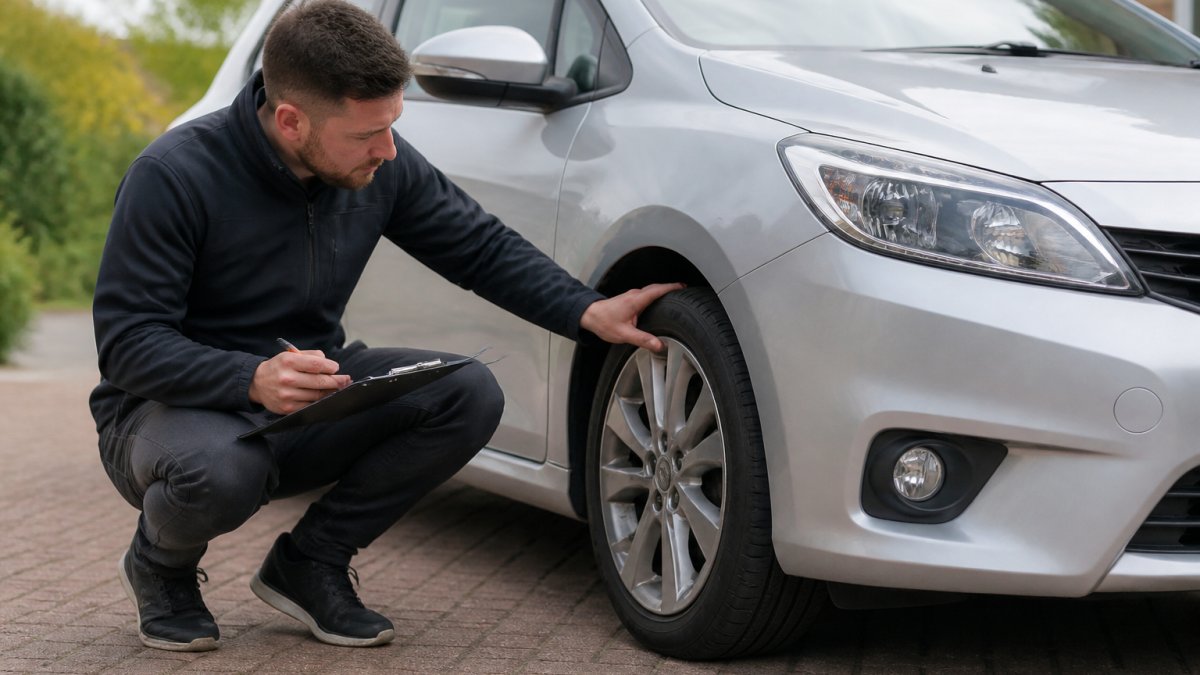
Here is the checklist we would use on any car approaching handback:
- Walk the bodywork in good light and note every scratch, dent, and scuff
- Check all four alloys for kerb damage and corrosion
- Measure tyre tread depth against the legal minimum
- Test every light, indicator, and warning bulb
- Inspect interior upholstery, carpets, and boot lining for stains or tears
- Confirm all keys, service records, and the V5C documentation are present
- Photograph everything you find, dated, before the inspection
The DVSA guidance on vehicle condition is a useful reference for roadworthiness items, which funders treat more strictly than cosmetic wear.
Fair Wear and Tear on a Lease Car: What's Acceptable
Fair wear and tear on a lease car means the natural deterioration you would expect from normal use, and it is explicitly excluded from charges. A small stone chip on the bonnet, light scratching within the accepted tolerance, and evenly worn tyres above the legal limit all typically fall inside that definition.
The line sits at damage that is disproportionate to the vehicle's age and mileage. A kerbed alloy on a three-year-old car with low mileage reads as neglect, not wear. The same kerb mark on a high-mileage fleet vehicle is far easier to defend.
Where drivers get caught out is assuming a repair is unnecessary because the car "looks fine". A factory-standard finish matters here. A poor colour match on a metallic panel can itself become a chargeable defect, which is why cosmetic repairs before handback need to be done properly, not quickly.
How to Handle Excess Mileage Charges on a Lease Car
Excess mileage charges on a lease car are calculated per mile over your contracted allowance, and they are among the most predictable charges on the final invoice. You know your annual allowance and your contract length, so the arithmetic is yours to do months in advance.
If you are running hot, you have options. You can request a mid-contract mileage adjustment from your funder, which is often cheaper than paying the end-of-contract rate. You can also reduce discretionary mileage in the final months and use a second vehicle where practical.
What you cannot do is argue your way out of it after the fact. Mileage is recorded and verifiable, so the charge stands. The only real control is early awareness. Check your mileage against your allowance every quarter, not at month thirty-five.
Repairing Cosmetic Damage Before You Hand Back the Keys
Cosmetic damage is where the smart money goes before handback. A bumper scuff, a kerbed alloy, or a door dent that a funder would invoice at main-dealer rates can often be restored for a fraction of that cost through mobile repair. The repair needs to be invisible and durable, because a visible or failing repair will still be flagged.
This is exactly the work SMART Automotive handles: mobile cosmetic repair at your home or workplace, completed in one to three hours, with a lifetime bodywork guarantee and a factory-standard finish. Our team works to ISO 9001, 14001 and 27001 standards, and most repairs cost less than a typical insurance excess. One customer put it plainly: using us for an end-of-lease tidy up "saved hundreds in lease return charges."
How to Dispute Lease Return Charges You Think Are Unfair
Disputing lease return charges starts with evidence, not anger. The moment you receive the inspection report, compare each charge against the BVRLA fair wear and tear standard and your original contract terms. If a charge describes damage that falls inside the accepted tolerance, you have grounds.
Follow this sequence:
- Request the full inspection report and photographs in writing
- Cross-check each charge against the fair wear and tear guide
- Obtain an independent repair quote for the disputed items
- Submit a written dispute with your evidence within the funder's stated window
- Escalate to the funder's complaints process, then to the relevant ombudsman if unresolved
The Financial Ombudsman Service handles unresolved disputes with finance providers, and it is free to use. Keep everything in writing and keep your photographs dated.
Ending a lease should not feel like opening a bill you cannot control. The drivers who avoid lease return charges are not luckier than you; they simply inspect early, repair smartly, and know the fair wear and tear standard before the inspector arrives. If your car needs cosmetic work before handback, SMART Automotive can quote the same day, come to your home or workplace, and restore scuffs, dents, and alloys to a factory-standard finish in a single visit. Get a free quote and hand the keys back with nothing to argue about.
Frequently Asked Questions
What charges can I face when returning a leased car?
Lease return charges typically cover cosmetic damage beyond fair wear and tear, such as scuffed bumpers, kerbed alloys, and scratches. You may also face excess mileage charges if you exceed your agreed contract limit, plus fees for missing keys, service history gaps, or unrepaired tyres. Some lenders charge an administration fee for processing the return. Checking your contract early and arranging a pre-return inspection helps you identify likely charges before the lender does, giving you time to repair anything that would otherwise be billed at inflated rates.
What counts as fair wear and tear on a leased car?
Fair wear and tear covers the normal deterioration from everyday use, not accidental damage. Acceptable items usually include minor stone chips on the bonnet, light scratches that polish out, and slight wear on the driver's seat bolster. Anything beyond that, such as dents, deep scratches, cracked bumpers, or kerbed alloy wheels, generally falls outside fair wear and tear and can be charged. The British Vehicle Rental and Leasing Association publishes a fair wear and tear guide that most UK lenders follow, so use that as your reference point when assessing your own car.
How can I avoid excess mileage charges on a lease car?
Excess mileage charges apply when you exceed the annual mileage limit in your contract, and they can add up quickly. Track your mileage monthly against your allowance so you spot a surplus early. If you look likely to exceed the limit, contact your lender before the end of the term to discuss adjusting your contract, which is often cheaper than paying the end-of-lease penalty. Sharing the driving with another vehicle, combining journeys, and using public transport for short trips can also keep your total down. Review your usage honestly at the start so your allowance matches reality.
Should I repair damage before returning my leased car?
In most cases, yes, if the damage falls outside fair wear and tear. Lenders typically charge more for repairs than an independent specialist would, so sorting scuffs, dents, and kerbed alloys yourself before handback can save money. Mobile cosmetic repair services can restore bumper scuffs and alloy wheels at your home or workplace in a few hours, often for less than the lender's recharge. Keep receipts and before-and-after photos in case you need to dispute anything later. Leave genuine fair wear and tear alone, as repairing it is usually unnecessary.
When should I arrange a lease return inspection?
Book an inspection around four to six weeks before your lease ends. This gives you enough time to arrange any cosmetic repairs, source replacement keys or mats, and gather service records without rushing. Many lenders offer a pre-return inspection or accept an independent assessment, and the earlier you know what needs attention, the more options you have. If you leave it until the final week, you may be forced to accept the lender's recharge rates or hand the car back with unresolved damage that triggers charges.
Can I dispute lease return charges I think are unfair?
Yes, you can dispute charges you believe are unfair or inaccurate. Start by requesting an itemised breakdown of every charge with photos and the fair wear and tear standard used to justify them. Compare this against the BVRLA guide and your own pre-return inspection evidence. Raise a formal complaint in writing to the lender, and if it is not resolved, escalate to the Financial Ombudsman Service, which handles disputes with UK lease providers free of charge. Keep all correspondence, photos, and receipts, as clear evidence strengthens your case considerably.
Do I have to pay a fee just to return a leased car?
Some lenders charge an administration or processing fee when you hand the car back, even if there is no damage. This should be set out in your contract, so check the terms before the end of the lease. If a fee appears that you were not told about, ask for the clause that authorises it. Return fees are separate from damage or mileage charges, and you can sometimes avoid them by returning the car to the lender's nominated location on the agreed date rather than requesting a collection.