
Last Updated: October 26, 2026
Quick Summary
Diamond cut alloy wheel repair involves re-cutting the wheel face on a specialist lathe, polishing the surface, and applying protective lacquer to restore the original finish. The process removes damage such as kerb marks and scratches, typically taking 2-3 hours per wheel depending on damage severity.
- Diamond cut lathe is essential equipment that re-cuts the wheel face to factory specifications
- Repair process includes masking, re-cutting, polishing, lacquer application, curing and inspection
- Single wheel with minor damage takes 1-2 hours; moderate damage takes 2-3 hours
- Avoid driving through puddles for 24 hours after repair whilst lacquer fully cures
- Regular cleaning every 2-3 weeks with soft brush and mild soap protects the restored finish
Table of Contents
- Understanding Diamond Cut Alloy Wheel Damage
- What You'll Need for Diamond Cut Alloy Wheel Repair
- The Diamond Cut Alloy Wheel Repair Process
- Diamond Cut Wheel Repair Cost Expectations
- How Long Diamond Cut Alloy Wheel Repair Takes
- Alloy Wheel Repair Aftercare and Maintenance
- Getting Your Diamond Cut Wheels Restored
- Frequently Asked Questions
Understanding Diamond Cut Alloy Wheel Damage
Diamond cut alloy wheels are engineered with a distinctive finish that combines a polished face with a darker, more durable edge. This creates a striking visual contrast. But that polished surface is more vulnerable to damage than standard painted finishes.
Kerbing is the most common culprit. A single brush against a pavement edge can gouge the wheel face. Scratches, scuffs, and impact marks show immediately on the reflective surface. Unlike painted wheels, you can't simply touch up a diamond cut wheel with spray paint.
The damage might seem cosmetic, but it matters. A damaged wheel affects your vehicle's resale value. Lease companies inspect wheels closely at handback, and damage can trigger penalty charges. For fleet managers, damaged wheels look unprofessional and suggest poor vehicle maintenance.
At SMART Automotive, we understand the frustration. Diamond cut alloy wheels look premium when they're pristine. Once damaged, they look neglected. The good news is that diamond cut alloy wheel repair is straightforward and doesn't require replacement.
What You'll Need for Diamond Cut Alloy Wheel Repair
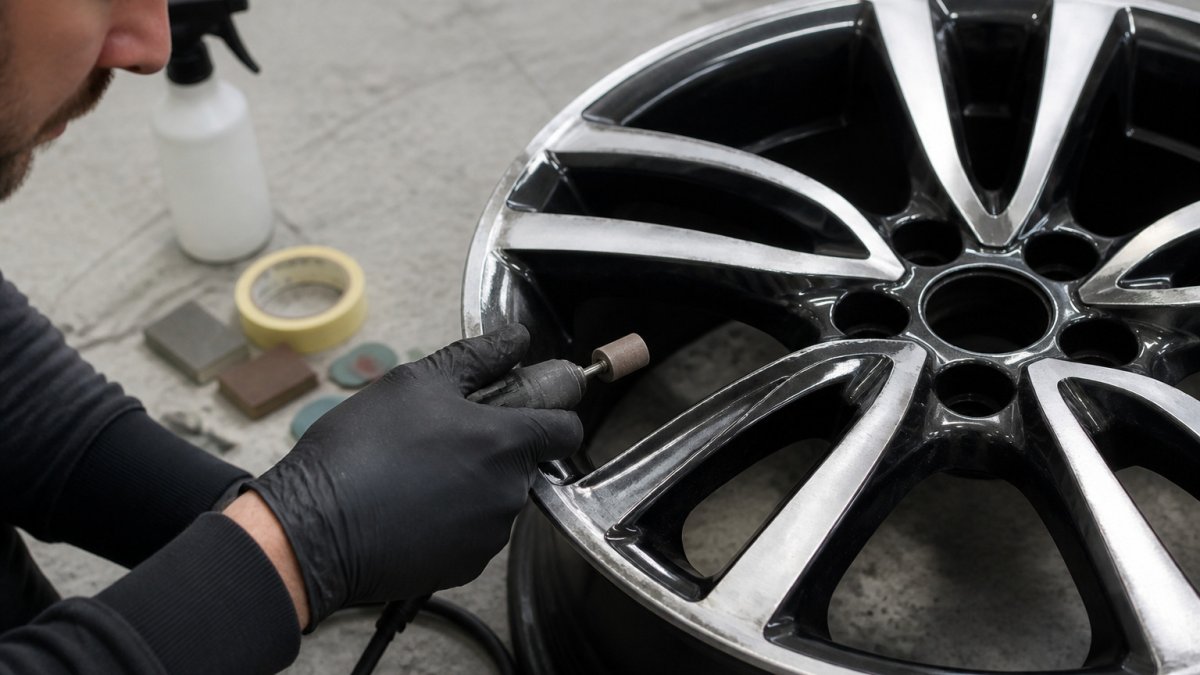
Professional diamond cut alloy wheel repair requires specialist equipment and materials. This isn't a job for household tools.
Essential equipment:
- Diamond cut lathe (precision machine that re-cuts the wheel face)
- Masking tape and protective coverings
- Abrasive compounds and polishing pads
- Lacquer or protective topcoat
- Safety equipment (gloves, eye protection, dust masks)
The diamond cut lathe is the critical piece. It re-cuts the wheel face to factory specifications, removing damage and restoring the original finish. Standard lathes won't work. The machine must be calibrated for the specific wheel design and size.
Materials for the repair:
- Specialist abrasives matched to the wheel alloy
- Protective lacquer (usually clear coat)
- Cleaning agents for wheel preparation
- Masking materials to protect valve stems and wheel edges
Attempting this repair without proper equipment typically results in an uneven finish or further damage. The wheel face needs to be perfectly level, and the polishing must be consistent across the entire surface.
This is why mobile diamond cut alloy wheel repair services use dedicated equipment transported on-site. The technician brings everything needed to complete the job at your home or workplace.
The Diamond Cut Alloy Wheel Repair Process
Diamond cut alloy wheel repair follows a structured sequence. Each step builds on the previous one, and skipping or rushing any stage compromises the final result.
Step 1: Wheel removal and inspection
The wheel comes off the vehicle first. The technician inspects the damage carefully, assessing depth, size, and location. Deep gouges that penetrate the alloy itself require different treatment than surface scratches.
Step 2: Masking and protection
The tyre, valve stem, and wheel edge are masked with protective tape. This prevents damage during the re-cutting process and keeps abrasive particles away from rubber and sensitive components.
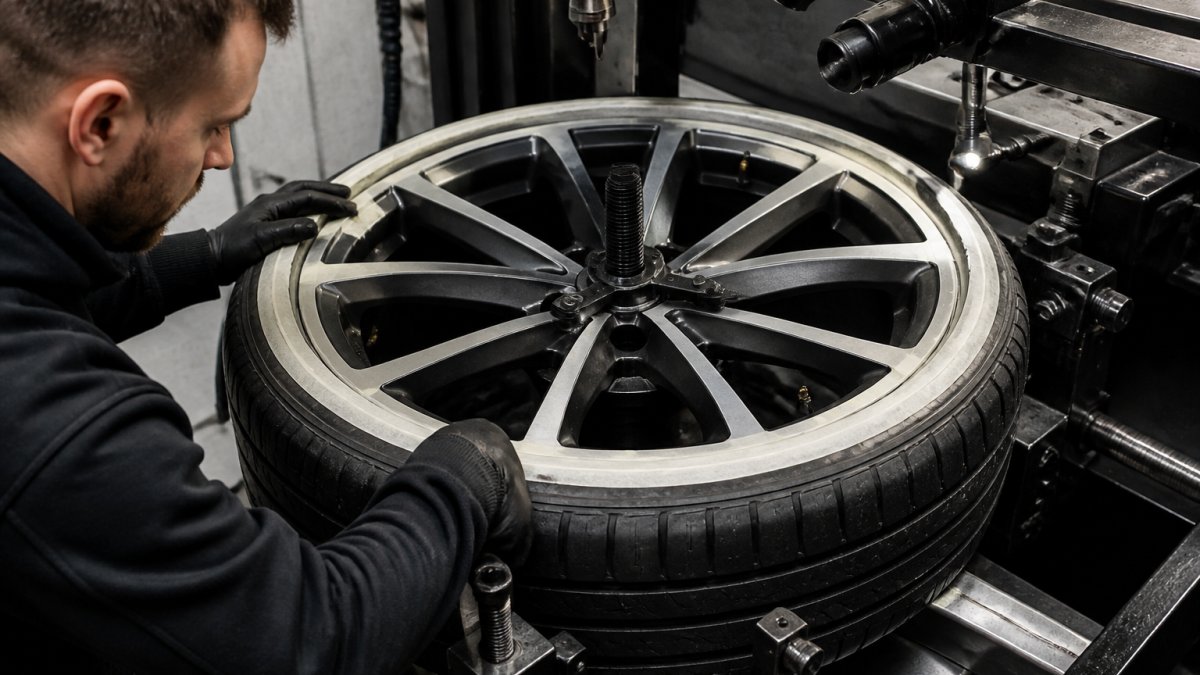
Step 3: Re-cutting on the lathe
The wheel is mounted on the diamond cut lathe. The machine carefully removes the damaged surface layer, re-cutting the wheel face to its original specification. This process removes all visible damage and restores the geometric profile.
Step 4: Polishing and refinishing
After re-cutting, the wheel face is polished with specialist compounds. This restores the mirror-like finish that makes diamond cut wheels distinctive. The polishing removes any tool marks and creates an even, reflective surface.
Step 5: Lacquer application
A protective clear lacquer is applied to the polished surface. This seals the finish and protects against future oxidation and minor scratches. The lacquer must be applied evenly to avoid streaking or dull patches.
Step 6: Curing and inspection
The lacquer cures for a set period. Once dry, the technician inspects the finish carefully. The wheel should look identical to the factory original, with no visible repair marks or inconsistencies.
Step 7: Reinstallation
The wheel is refitted to the vehicle. Torque settings are checked to ensure proper fitment and safety.
The entire process typically takes 2-3 hours per wheel, depending on damage severity. Multiple wheels can be repaired in a single visit.
Diamond Cut Wheel Repair Cost Expectations
Cost varies based on damage extent and wheel size. A minor scratch requires less re-cutting than a deep kerb gouge. Larger wheels need longer processing time on the lathe.
Several factors influence the final cost:
- Damage depth: Surface scratches cost less than deep gouges requiring significant material removal
- Wheel diameter: Larger wheels take longer to re-cut and refinish
- Number of wheels: Repairing multiple wheels on the same visit may offer better value
- Location: Mobile service availability and travel distance can affect pricing
- Alloy type: Some alloy compositions require specialist compounds or handling
Rather than estimating costs here, it's worth getting a free quote. Most mobile repair services respond to quotes within the same day. You'll provide photos of the damage, and the technician will give you an accurate figure based on what they see.
Many repairs cost less than your vehicle insurance excess. This makes professional repair more cost-effective than claiming on insurance for minor damage.
How Long Diamond Cut Alloy Wheel Repair Takes
The repair timeline depends on damage severity and how many wheels need work.
Single wheel with minor damage: 1-2 hours
Single wheel with moderate damage: 2-3 hours
Multiple wheels: Add 1-2 hours per additional wheel
Most mobile repair services can complete work on the same day you book. Many offer early morning or evening appointments to fit around your schedule. You don't need to drop the vehicle at a garage and wait days for collection.
The speed advantage matters if you're managing a lease handback or need your vehicle looking presentable quickly. A fleet manager with five damaged wheels can have them all restored in a single morning visit.
The technician brings all equipment to your location. There's no travel time to a bodyshop, no waiting in a reception area, and no vehicle downtime beyond the repair duration.
Repair time varies depending on the extent of damage and the number of wheels being restored.
| Damage severity | Time required |
|---|---|
| Single wheel, minor damage | 1-2 hours |
| Single wheel, moderate damage | 2-3 hours |
| Each additional wheel | Add 1-2 hours |
Alloy Wheel Repair Aftercare and Maintenance
Once your diamond cut alloy wheels are restored, protecting that finish extends its lifespan.
Immediate aftercare:
After repair, avoid driving through puddles or wet roads for at least 24 hours. The lacquer needs time to fully cure. Water exposure during this period can compromise the protective seal.
Regular cleaning:
Wash wheels every 2-3 weeks with a soft brush and mild soap. Avoid harsh wheel cleaners that can strip the lacquer. Brake dust builds up quickly on alloy wheels and can etch the surface if left untreated.
Protective products:
Wheel wax or sealant products designed for alloy wheels add an extra protective layer. These products repel dirt and make cleaning easier. Reapply every 3-4 months.
Kerb awareness:
The most effective maintenance is avoiding future damage. Be mindful when parking near kerbs, especially in tight spaces. Slow, deliberate movements reduce the risk of scraping wheels.
Spot repairs:
If minor scratches appear after repair, address them quickly. Small damage is easier to fix than deep gouges. Delaying treatment allows oxidation to set in, making the repair more involved.
Inspection schedule:
Check your wheels monthly for new damage. Early detection means simpler, faster repairs. This is especially important if you drive in urban areas with frequent kerbing hazards.
Professional repair services often include a lifetime bodywork guarantee that covers their work. Understand what's covered and what constitutes normal wear versus damage requiring re-repair.
Getting Your Diamond Cut Wheels Restored
If your diamond cut alloy wheels need professional restoration, several options exist. The key is finding a service that specialises in diamond cut finishes and can deliver factory-standard results.
Mobile repair services offer convenience that traditional bodyshops can't match. The technician comes to you, completes the work on your driveway or car park, and you drive away with restored wheels. No appointments, no vehicle downtime, no hassle.
SMART Automotive specialises in diamond cut alloy wheel repair across the region. Our technicians have the specialist equipment and expertise to restore your wheels to factory specification. We work at your home or workplace, completing most repairs in 2-3 hours.
The process starts with a free repair quote. Photograph the damage from multiple angles, and our team will provide an accurate estimate within the same day. Most repairs cost significantly less than traditional bodyshop quotes.
Once you book, we schedule a time that suits you. Our mobile service means no disruption to your routine. We arrive with everything needed to complete the repair, and your wheels look brand new when we leave.
If you're managing a lease handback or need your vehicle looking presentable, diamond cut alloy wheel repair is a cost-effective solution. Explore our precision alloy refinishing services to see the full range of restoration options available.
Frequently Asked Questions
How are diamond cut alloy wheels repaired?
Diamond cut alloy wheel repair involves assessing the damage, removing the wheel, and carefully refinishing the affected area to restore the factory finish. The technician uses specialist equipment to blend the repair seamlessly with the undamaged portion, ensuring the multi-layered diamond cut appearance is maintained. Professional repair preserves the wheel's structural integrity and cosmetic appeal.
Can kerb damage on a diamond cut alloy wheel be repaired?
Yes, kerb damage is one of the most common issues addressed in diamond cut alloy wheel repair. Provided the structural integrity of the wheel is intact and the damage is primarily cosmetic, technicians can refinish the affected area to restore the original appearance. Severe structural damage may require replacement, but most kerb scuffs and minor dents are repairable.
How long does diamond cut alloy wheel repair take?
Most diamond cut alloy wheel repairs are completed within 1-3 hours, depending on the extent of the damage and the number of wheels requiring attention. Mobile repair services can complete the work at your home or workplace, minimising disruption. Complex damage may take longer, but straightforward cosmetic repairs are typically finished the same day.
What aftercare is needed following alloy wheel repair?
After alloy wheel repair, avoid driving through water or puddles for at least 24 hours to allow the finish to cure fully. Clean the wheels gently with mild soap and water after this period. Use a protective wheel coating periodically to maintain the finish and protect against future damage. Regular inspection helps catch any issues early.
Professional diamond cut alloy wheel repair restores your vehicle's appearance without the expense and inconvenience of replacement. Whether you're facing lease penalties, protecting your vehicle's resale value, or simply wanting your wheels to look pristine again, specialist repair is the practical choice. SMART Automotive delivers factory-standard finishes at your location with minimal downtime. Get a free quote today and see how much you can save.
