
Quick Summary
Alloy wheel insurance is an add-on cover that pays to repair or replace damaged alloy wheels, typically from kerbing, potholes or road debris. To claim, make the car safe, photograph the damage, report it to your policy's claims administrator, and wait for authorisation before booking any repair.
- Check your policy wording for covered events, your excess and any per-wheel or annual claim limits.
- Photograph the damage from several angles in daylight, with wide shots showing the wheel's position on the car.
- Wait for authorisation before booking or paying for work, or the claim may not be reimbursed.
- Report the wheel claim to the standalone policy administrator, not your motor insurer, to protect your no-claims discount.
- If a claim is declined, ask for the decision in writing and use the complaints process, then the Financial Ombudsman Service.
Table of Contents
- How to Claim on Alloy Wheel Insurance: Step-by-Step
- What Alloy Wheel Insurance Covers and What It Doesn't
- Understanding Your Alloy Wheel Insurance Excess and Limits
- Before Damage Happens: Checking Your Policy Wording
- How to Claim on Alloy Wheel Insurance, Step by Step
- What Evidence and Information to Prepare
- Alloy Wheel Insurance Claim Timescale and Repair Turnaround
- Booking Your Alloy Wheel Repair Once Your Claim Is Approved
- Frequently Asked Questions
How to Claim on Alloy Wheel Insurance: Step-by-Step
Last Updated: November 8, 2026
What Alloy Wheel Insurance Covers and What It Doesn't
Alloy wheel insurance is an add-on cover that pays to repair or replace damaged alloy wheels. Many drivers in the UK only find out what their policy includes after something goes wrong. This guide walks you through the whole claim from start to finish.
Most policies cover damage caused by an accident-free event, such as hitting a kerb or driving over a pothole. Read your policy wording to confirm exactly what is included. Cover varies between providers, so never assume.
Kerbing, potholes and road debris
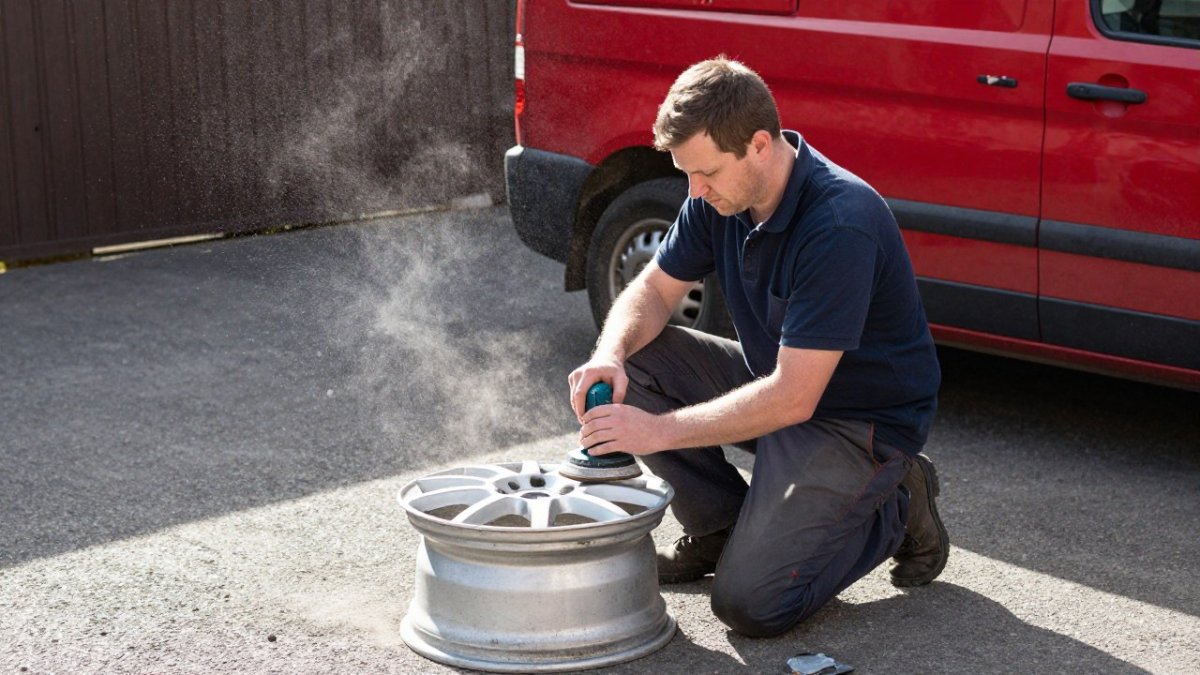
Kerbing is the most common cause of alloy wheel damage. A brief clip of the kerb can scrape the lacquer and scuff the rim, and a harder hit can crack or bend the wheel. Potholes and road debris cause similar damage, so check that your cover names these events.
Watch out: a bent or cracked wheel may affect tyre safety, so have a damaged wheel checked before you drive on it for long.
Common alloy wheel insurance exclusions
Policies often exclude wear and tear, corrosion that was already there before the policy started, and damage from racing or off-road use. Some policies also exclude damage that was reported late. Check the exclusions section of your wording before you need to claim.
Understanding Your Alloy Wheel Insurance Excess and Limits
Your excess is the amount you pay towards each claim before the insurer pays the rest. Some policies set a fixed excess, while others take a percentage of the repair cost.
Limits matter too. Many policies cap the number of claims per year and the maximum contribution per wheel. A small scuff repair may cost less than your excess, so claiming makes little sense in that case. Keeping a note of your excess and limits helps you decide quickly.
Before Damage Happens: Checking Your Policy Wording
Check your policy wording now, not when you are standing next to a damaged wheel. Look for:
- The events that are covered, such as kerbing and potholes
- Your excess amount and whether it is fixed or a percentage
- The maximum number of claims per year
- Any per-wheel repair or replacement limit
- The policy term and when cover renews
- The claims administrator's contact details
Keep a copy of your wording in your glovebox or saved on your phone.
How to Claim on Alloy Wheel Insurance, Step by Step
Most policies follow a similar path from discovering damage to driving away on a repaired wheel, but the detail matters because a missed step can delay authorisation or invalidate the claim. The walkthrough below reflects the common pattern across standalone alloy wheel policies and motor insurance add-ons; always check your own policy wording, because the administrator, portal and approval rules are set by your provider.
- Make the vehicle safe and assess whether it is driveable. Pull over somewhere safe, switch on your hazard warning lights and check the wheel for obvious cracks, buckling or a deflated tyre. A bent or cracked wheel can affect tyre safety, so if the damage looks structural, do not drive on it for long, call your breakdown provider or a recovery service rather than risk a blowout.
- Record the incident while it is fresh. Note the date, time, road name or postcode, weather conditions and what caused the damage (kerb, pothole, debris). If a pothole caused it, note the road authority and consider reporting it through the relevant council's highway reporting tool, some administrators ask whether the hazard was reported.
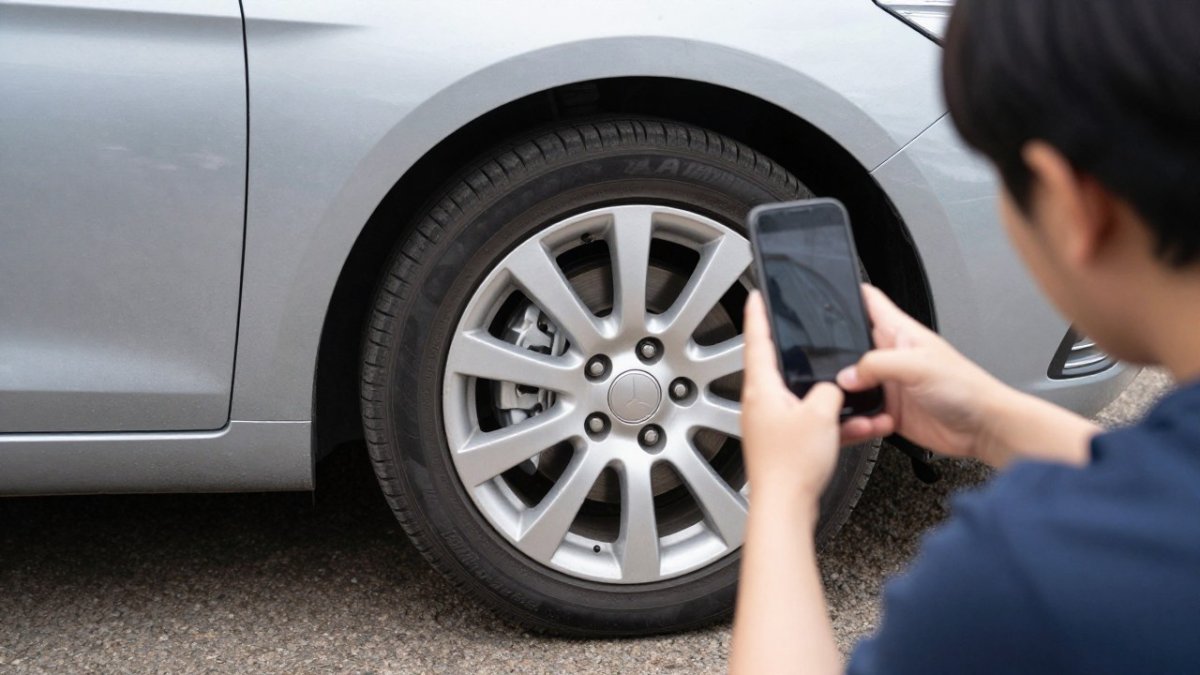
- Photograph the damage properly. Take wide shots showing the whole wheel and its position on the car, then close-ups of each scuff, crack or buckle from several angles in daylight. Include a shot of the tyre sidewall and, where relevant, the kerb or pothole. Blurry or single-angle photos are a common cause of delay.
- Find your policy number and claims contact. Your schedule or wording will name the claims administrator, the phone number and any online portal or app. Standalone wheel policies often use a dedicated administrator rather than your motor insurer's main claims line, so use the contact named in the wheel policy documents.
- Report the claim and describe what happened. Give the date, location and cause, confirm the vehicle registration and make and model, and state how many wheels are damaged. Be consistent: if you later give a different account of the cause, the administrator may query it.
- Wait for authorisation before booking or paying for work. Most policies require approval before repair, and many require an approved repairer. If you pay a garage first and then claim, you may find the cost is not reimbursed or the claim is declined. Ask the administrator to confirm the approved repairer network and whether a mobile repair is acceptable.
- Book the repair and keep the paperwork. Once authorised, book the appointment, keep the reference number, and retain the repair invoice and any photos. If the repairer finds additional damage on inspection, tell the administrator before extra work is carried out.
Watch out: a claim on a standalone alloy wheel policy is not the same as a claim on your motor insurance. If you report the damage to your motor insurer instead, it may be treated as an at-fault claim and could affect your no-claims discount or future premiums, check both policies before deciding which route to use.
If a claim is declined or the service falls short, ask the administrator for the decision in writing and the specific policy clause relied on. Check the wording against the reason given, then use the provider's internal complaints process; if that does not resolve it, you can escalate to the Financial Ombudsman Service, which is free for consumers. Keep a dated record of calls and emails throughout.
The table below sets out the main steps of the claim in order, with the timing or action each one involves.
| Step | What to do | Time or frequency |
|---|---|---|
| Make the vehicle safe | Hazard lights on; check for cracks, buckling or a deflated tyre | Immediately |
| Record the incident | Note date, time, location, weather and cause | While fresh |
| Photograph the damage | Wide shots plus close-ups from several angles in daylight | Before moving the car if possible |
| Find your policy number | Locate claims contact in schedule or wording | Before you call |
| Report the claim | Give date, location, cause, registration and wheels damaged | When reporting |
| Wait for authorisation | Do not book or pay for work before approval | Before any repair |
| Book the repair | Keep reference number, invoice and photos | Once authorised |
What Evidence and Information to Prepare
Gather the following before you call:
- Your policy number and a copy of the wording
- Your vehicle registration and make and model
- Clear photos of each damaged wheel
- The date, time and location of the incident
- Any witness details or road reports
- Quotes from repairers, if you have them
Strong evidence speeds up the decision. Blurry photos or missing dates are the most common reasons a claim gets delayed.
Alloy Wheel Insurance Claim Timescale and Repair Turnaround
Timescales vary by administrator and repairer, but readers consistently ask what to expect between reporting damage and getting the wheel back. The practical sequence usually looks like this, though your provider's own service standards take precedence.
Authorisation. Many administrators aim to assess a straightforward claim within a few working days of receiving the photos and incident details. Claims that need a repairer inspection, or that arrive with incomplete evidence, typically take longer. Ask for the estimated decision date when you report the damage and note the reference number so you can follow up without starting the process again.
Booking and appointment availability. Once authorised, appointment availability depends on whether the repair is carried out at an approved centre or by a mobile technician. Mobile repair can be quicker for cosmetic scuffs because the work can be done at your home or workplace. Ask whether the repairer needs the vehicle for a full day or can complete the work on site.
Repair versus replacement timing. Cosmetic refurbishment of a scuffed or lightly kerbed wheel is often the quicker route, while a cracked or buckled wheel may need replacement and a longer wait. The administrator should tell you whether the policy covers a replacement and whether a contribution limit applies before you agree to the work.
Completion and paperwork. Repair timescales depend on the work involved and your provider's arrangements. Keep the repair invoice and any completion report, because some administrators ask for proof of repair before closing the claim.
While you wait. If the wheel is safe to drive on, you can usually continue using the car, but avoid kerbing the same wheel again and check tyre pressures. If the damage is structural, do not drive on it, arrange recovery or use a spare if your vehicle has one. Ask the administrator whether a temporary repair or replacement is covered if the car is off the road.
Watch out: do not assume a same-day repair is available just because a provider offers mobile fitting, appointment slots, parts and authorisation all affect the timeline, so confirm the expected completion date in writing before you book time off work.
Booking Your Alloy Wheel Repair Once Your Claim Is Approved
Once your claim is approved, book the repair as soon as you can. SMART Automotive offers mobile alloy wheel repair, so the work can be done at your home or workplace. Check the SMART Automotive website for current availability and a quote.
Get a free quote from SMART Automotive today and get your alloy wheels looking like new.
Frequently Asked Questions
How do I claim on alloy wheel insurance?
Start by checking your policy wording to confirm the damage is covered and find the claims contact. Report the damage promptly, usually through the insurer's online portal, app or phone line, and provide your policy number, the vehicle registration, the date and cause of damage, and clear photos of each affected wheel. The insurer or its claims administrator will then confirm eligibility, arrange an approved repairer, and may ask for an excess payment before the repair goes ahead. Keep copies of everything you send and any reference numbers given.
Do I need to report alloy wheel damage straight away?
Most policies ask you to report damage as soon as reasonably possible, and some set a specific deadline. Delaying can cause problems if the insurer believes further damage happened after the incident or if the wheel has been driven on significantly. Reporting quickly also helps you meet any claim time limits written into your policy wording. If you are unsure whether a scuff is covered, report it anyway so the insurer can advise you.
Is it worth claiming for a scratched alloy wheel?
It depends on the repair cost compared with your excess. If a refurbishment is likely to cost less than or close to your excess, claiming may not leave you better off, and a claim can be recorded against your insurance history. Get a repair quote first, check whether your policy has a per-wheel limit, and weigh the amount you would receive after excess against the cost of a self-funded repair. Specialist mobile repairers may offer a quote that makes the comparison easier.
